B2B marketing is entering a new phase where success is no longer defined by how many leads you generate, but by how many of those leads actually convert into meaningful business outcomes. At Studio Forge, a market research agency focused on strategic growth, we are seeing this shift happen across industries.
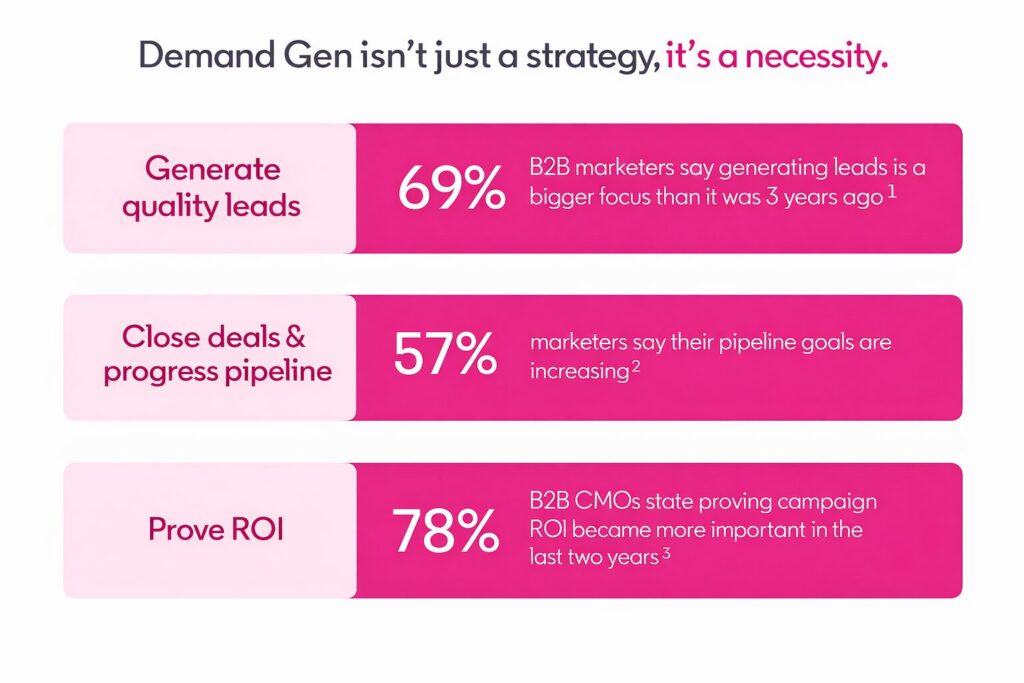
For years, demand generation strategies were built around volume. The assumption was simple: more leads create more opportunities. But as markets have matured and competition has intensified, this logic has started to break down. Businesses are realizing that not all leads are created equal, and chasing volume often leads to wasted budgets and lower efficiency.
A more effective approach is emerging, one that prioritizes quality over quantity. High-quality demand is built through relevance, trust, and intent. It is not about reaching everyone; it is about reaching the right people with the right message at the right time.
In simple terms, B2B demand generation is the process of creating awareness, building trust, and capturing interest among potential business customers to drive high-quality leads and long-term revenue growth. This definition is now central to how modern B2B marketing strategy is being designed.
Despite this shift, many brands still operate with a volume-first mindset. The primary reason is pressure. Marketing teams are expected to deliver quick, measurable results and justify their spending regularly. In such environments, large lead numbers often appear more convincing than deeper, long-term impact.
This leads to broader targeting, lower qualification criteria, and campaigns designed to maximize reach rather than relevance. While this approach may increase lead count, it often results in poor conversion rates and inefficient use of marketing budgets.
Another key challenge is measurement. Long-term brand building and demand creation take time to reflect in revenue. However, when reporting cycles are short, these efforts are undervalued. As a result, marketers tend to prioritize short-term gains over sustainable growth. This is where many B2B marketing strategies fail—not because they lack effort, but because they lack precision.
The most effective B2B brands are now shifting toward value-driven demand generation strategies. Instead of asking how many leads they generated, they are asking how many leads are relevant, engaged, and likely to convert.
This shift begins with a deeper understanding of the audience. A strong market research agency plays a critical role here by identifying customer behavior, market gaps, and real demand signals. Without research, marketing becomes assumption-driven. With research, it becomes strategy-driven.
Modern demand generation focuses on high-fit audiences based on industry, job roles, company size, and behavioral intent. It aligns messaging with real customer needs and ensures that every interaction adds value rather than noise.
This approach also changes how success is measured. Instead of focusing only on cost per lead, businesses now track conversion rates, pipeline contribution, and revenue impact. This creates a clearer connection between marketing efforts and business growth.
Quality leads convert better, cost less over time, and create stronger long-term relationships. That is why the shift from quantity to quality is not just a trend—it is a necessity.

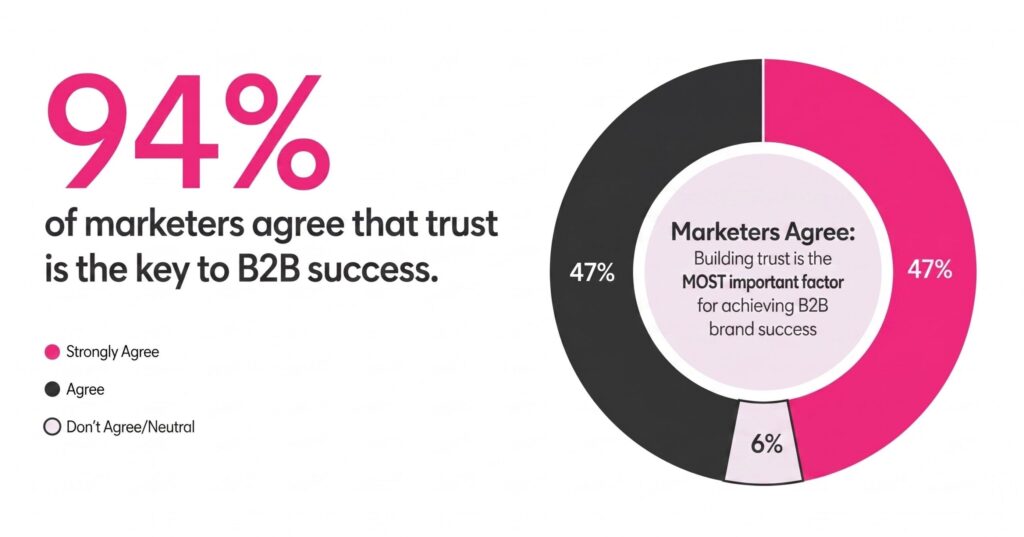
Trust has become one of the most powerful drivers in B2B marketing. Decision-makers are not just evaluating products or services; they are evaluating credibility, consistency, and long-term reliability.
Building trust requires more than advertising. It requires meaningful engagement. Brands must consistently provide value through insights, education, and thought leadership. Content plays a central role in this process, especially formats like video, which allow brands to communicate more authentically.
A well-executed B2B marketing strategy focuses on creating a strong and consistent brand presence across channels. When audiences repeatedly encounter valuable and relevant content, familiarity builds. Over time, this familiarity transforms into confidence.
Trust also grows through social validation. When prospects see others engaging with or benefiting from a brand, it reinforces credibility. This is why influencer collaborations, testimonials, and case studies are becoming essential elements of modern demand generation.
In a competitive market, trust is not optional. It is the foundation that supports every conversion.
Intent is what transforms interest into action. It is the signal that a potential customer is moving closer to making a decision.
In modern B2B marketing, intent is identified through behavior, how users interact with content, how often they engage, and what actions they take across platforms. These signals help marketers understand which prospects are ready to convert and which are still in the awareness stage.
A strong demand generation strategy focuses on capturing and responding to intent. This means delivering the right message at the right moment, rather than increasing reach blindly.
Timing plays a critical role here. Even the best message can fail if delivered too early or too late. But when messaging aligns with intent, conversion becomes significantly more likely.
This is where data-driven marketing, supported by market research, becomes essential. It allows brands to move from guesswork to precision, ensuring that marketing efforts are both efficient and effective.
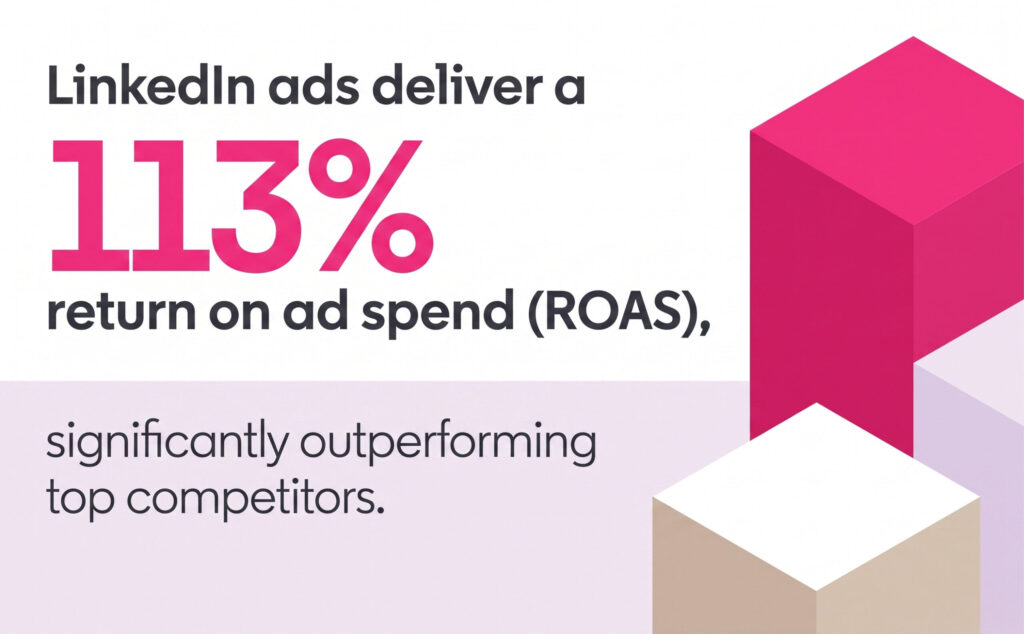
As demand generation evolves, platforms that support precision targeting and measurable outcomes are becoming increasingly important. LinkedIn has emerged as a key platform for executing modern B2B marketing strategies.
Unlike traditional platforms, LinkedIn operates within a professional context, giving marketers direct access to decision-makers and business audiences. This makes it particularly effective for demand generation.
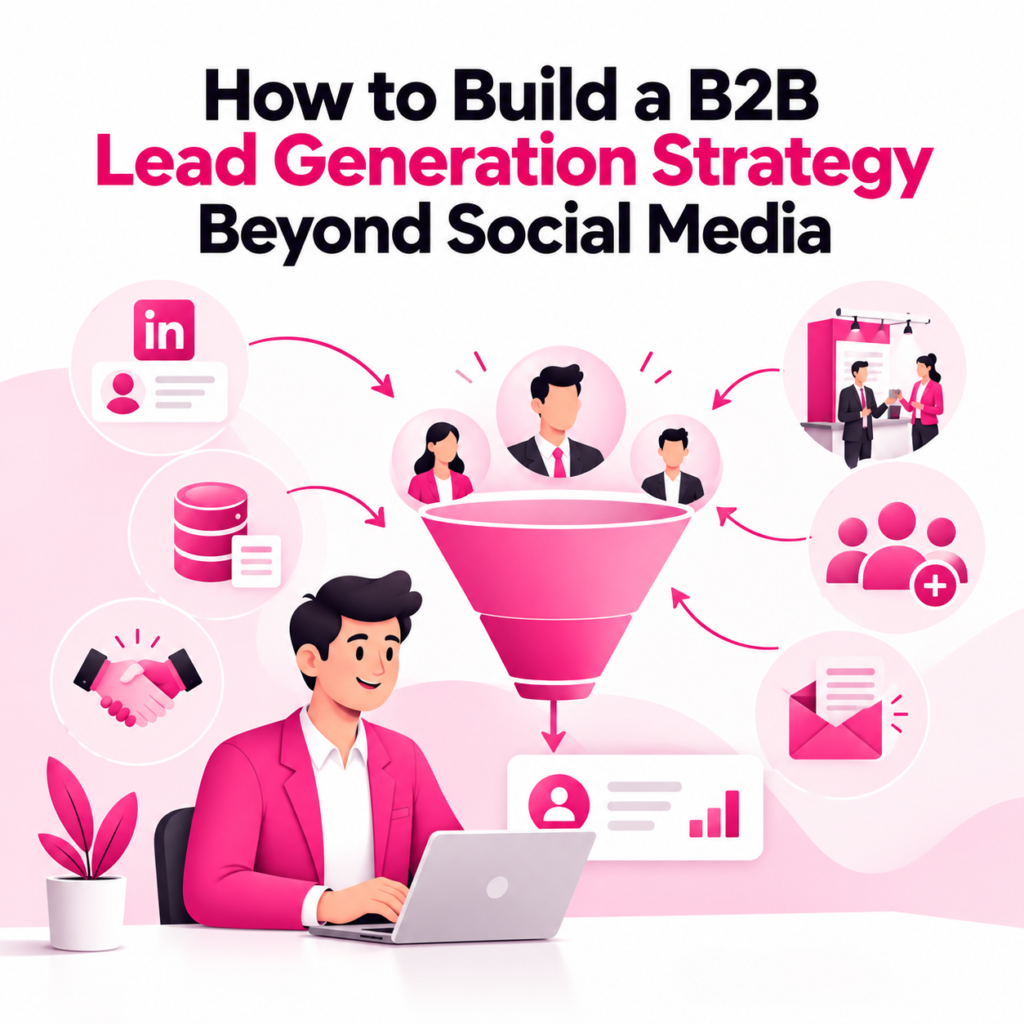
Brands are using LinkedIn to build full-funnel strategies that guide prospects from awareness to conversion. Video content and thought leadership create initial engagement, while retargeting keeps the brand visible to interested audiences. Lead generation tools simplify the conversion process, reducing friction and improving results.
Advanced targeting capabilities allow marketers to reach specific audiences based on professional attributes and behavior. Combined with data integrations and predictive insights, this enables highly focused campaigns that prioritize quality over quantity.
The ability to measure performance at a deeper level further strengthens this approach. Marketers can track how campaigns contribute to pipeline and revenue, making it easier to demonstrate ROI and optimize strategies effectively.
B2B demand generation is no longer about generating as many leads as possible. It is about generating the right leads. Relevance ensures you reach the right audience. Trust builds confidence and preference. Intent determines the moment of action.
A strong B2B marketing strategy, supported by a reliable market research agency, aligns all three elements to create demand that converts. Businesses that adopt this approach see better efficiency, higher conversion rates, and stronger long-term growth.
At Studio Forge, we believe that the future of B2B growth lies in precision, not volume. As a market research agency, our focus is on helping brands build demand that converts, not just campaigns that perform on paper. Because in 2026, success in B2B marketing will not come from how many leads you generate. It will come from how many of those leads truly matter.
B2B demand generation is the process of creating awareness, trust, and interest among business audiences to generate high-quality leads and drive revenue growth.
Quality leads are more likely to convert, require less nurturing, and deliver higher ROI compared to large volumes of low-quality leads.
Market research helps identify the right audience, understand customer behavior, and align marketing strategies with real demand, improving targeting and conversion rates.