Looking to boost your brand visibility, generate high-quality leads, drive more traffic to your website, and increase conversions quickly? Pay-per-click (PPC) advertising could be the solution your brand needs.
But, while there are many positive motivations for investing in PPC marketing and paid media, the main reason boils down to growth. While PPC is quite easy to execute, getting it right does take some planning and preparation.
Here, we will look at all the essential ingredients for creating a successful and sustainable PPC strategy, including the ways AI is affecting your campaigns. Here’s what our ultimate PPC guide will cover:

In a digital-first economy where attention is fragmented and competition is intense, businesses need faster, smarter ways to reach their audience. Pay-Per-Click (PPC) marketing has emerged as one of the most reliable performance channels, enabling brands to generate immediate visibility, qualified traffic, and measurable results. Whether you’re a startup testing your first campaign or an established brand scaling performance, PPC plays a critical role in modern marketing strategy. This guide breaks down everything you need to know from fundamentals to advanced strategy so you can execute PPC effectively in 2026.
Pay-Per-Click (PPC) marketing is a digital advertising model where advertisers pay only when a user clicks on their ad, making it highly performance-driven and cost-efficient. Instead of relying solely on organic visibility, businesses can directly purchase traffic by bidding on keywords relevant to their offerings. This ensures that ads appear in front of users actively searching for related products or services. Platforms like Google Ads dominate this space, offering advanced targeting, real-time bidding, and detailed analytics. The key strength of PPC lies in its ability to deliver instant visibility while maintaining precise control over audience targeting and budget allocation, making it an indispensable part of performance marketing.
Paid and organic marketing differ fundamentally in how traffic is acquired and sustained. Paid marketing, including PPC, involves investing budget to gain immediate exposure across search engines and digital platforms, allowing businesses to appear prominently for relevant queries. However, once spending stops, visibility also disappears. Organic marketing, on the other hand, focuses on building long-term visibility through SEO, content marketing, and audience engagement, which takes time but delivers sustainable traffic without direct cost per click. While PPC is ideal for immediate results, testing, and scaling campaigns, organic strategies are better suited for long-term brand building. The most effective marketing strategies combine both approaches to create a balanced and scalable growth system.
PPC marketing offers a powerful set of advantages that make it one of the most effective tools for driving business growth. One of its biggest strengths is instant visibility, allowing brands to appear at the top of search results as soon as campaigns go live. It also provides highly granular targeting options, enabling advertisers to reach users based on location, demographics, behavior, and intent. Additionally, PPC campaigns are fully measurable, giving marketers access to detailed performance metrics such as impressions, clicks, conversions, and ROI. Budget control is another key benefit, as advertisers can set spending limits and optimize campaigns based on performance. Furthermore, PPC enables remarketing, allowing businesses to re-engage users who have already interacted with their brand, significantly increasing conversion rates. These advantages make PPC a scalable and results-driven marketing channel.
A well-structured PPC campaign consists of multiple components that work together to ensure relevance and performance. Campaigns define the overall objective, targeting, and budget, while ad groups organize related keywords and ads to improve efficiency. Keywords act as triggers that determine when ads appear, making keyword selection critical to success. Ad copy plays a vital role in attracting clicks by communicating value clearly and persuasively. Once users click an ad, they are directed to a landing page, which must be optimized for conversions to maximize results. Bidding strategies determine how much advertisers are willing to pay per click, whether manually or through automated systems. Additionally, metrics such as Quality Score influence ad rankings and cost efficiency by evaluating ad relevance and user experience. Together, these elements form the foundation of a successful PPC campaign.
PPC campaigns are available in multiple formats, each designed to achieve specific marketing goals. Search ads appear on search engine results pages and target users with high intent, making them ideal for conversions. Display ads are visual banners that appear across websites, helping build brand awareness and retarget users. Shopping ads are tailored for eCommerce, showcasing product images, pricing, and details directly in search results. Video ads, often run on platforms like YouTube, allow brands to engage users with rich, visual storytelling. Remarketing campaigns focus on reconnecting with users who have previously interacted with a brand, increasing the likelihood of conversion. Additionally, AI-driven formats such as Performance Max campaigns automate placements across multiple channels, optimizing results based on campaign objectives. Choosing the right campaign type depends on your specific business goals.
Selecting the right PPC platform is crucial for campaign success, as each platform offers unique advantages depending on the audience and objective. Google Ads remains the industry leader due to its extensive reach and dominance in search advertising. Microsoft Advertising provides access to a different audience segment, often with lower competition and cost-per-click. Social media platforms like Meta Platforms enable highly targeted campaigns based on user interests and behavior, making them ideal for brand awareness and engagement. LinkedIn is particularly effective for B2B marketing, offering precise targeting based on professional data. Additionally, Amazon Advertising is essential for product-based businesses aiming to drive direct sales. Choosing the right platform depends on where your audience is and what stage of the funnel you want to influence.
Creating a successful PPC campaign requires a structured and strategic approach. The process begins with defining clear objectives, such as generating leads, increasing traffic, or driving sales. This is followed by keyword research to identify high-intent search terms used by your target audience. Campaigns and ad groups are then structured to maintain relevance and improve performance. Crafting compelling ad copy is essential to attract clicks and communicate value effectively. Once ads are set up, optimizing landing pages ensures a seamless user experience and higher conversion rates. Budget allocation and bidding strategies are then configured based on competition and goals. After launch, continuous monitoring and optimization are critical, including adjusting bids, refining targeting, and testing variations to improve results over time.
Setting a PPC budget requires balancing business goals, industry competition, and expected returns. Advertisers typically start by allocating a portion of their overall marketing budget to PPC, considering factors such as keyword costs and conversion potential. Measuring ROI involves tracking key metrics such as cost per click (CPC), cost per acquisition (CPA), conversion rate, and revenue generated. Tools within platforms like Google Ads provide detailed insights into campaign performance. A positive ROI indicates that the revenue generated exceeds the advertising spend, while ongoing optimization ensures campaigns remain efficient and profitable.
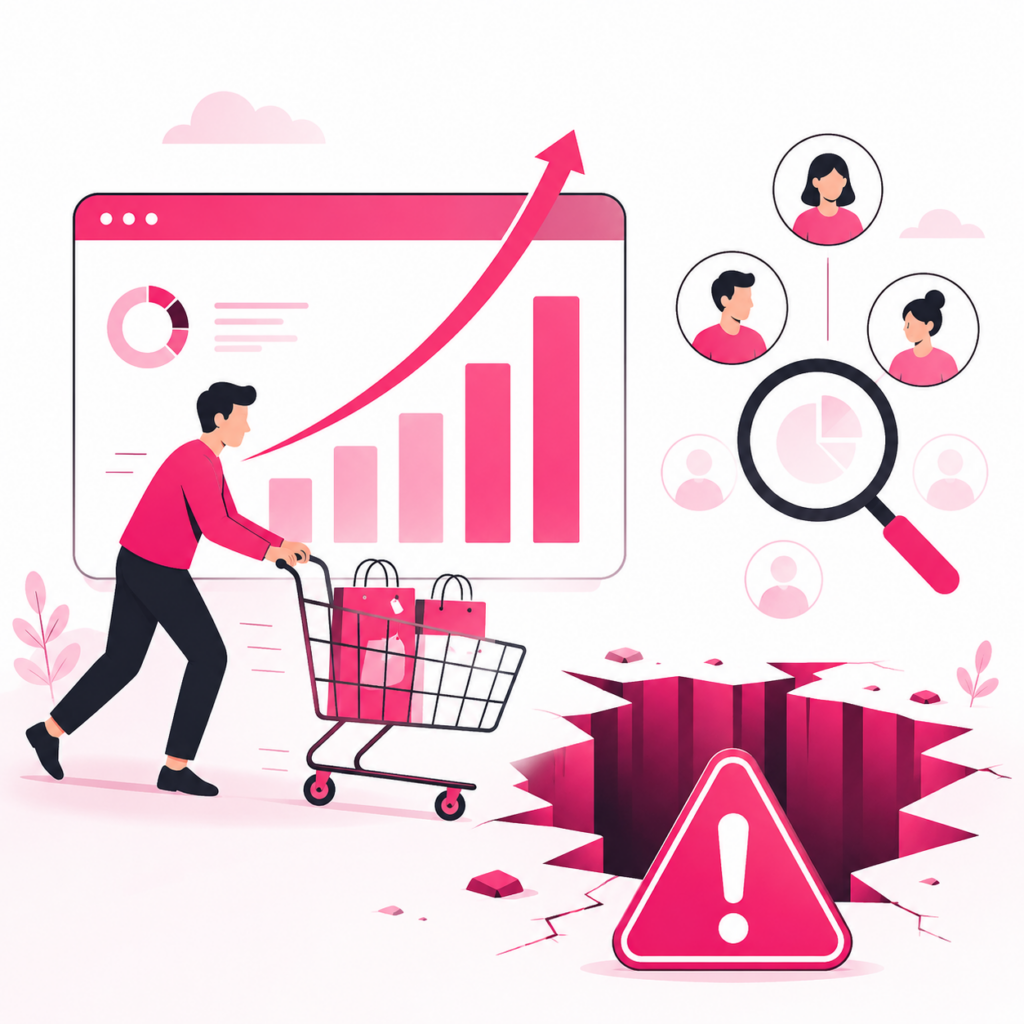
To maximize PPC performance, marketers must follow proven best practices that improve efficiency and results. Continuous keyword optimization ensures campaigns remain relevant, while compelling ad copy aligned with user intent increases click-through rates. A/B testing different ad variations helps identify high-performing creatives, and optimizing landing pages improves conversion rates. Using negative keywords prevents wasted spend on irrelevant traffic. Additionally, remarketing strategies help re-engage potential customers who did not convert initially. For example, an eCommerce brand can combine shopping ads with remarketing campaigns to bring back users who abandoned their carts. Consistent monitoring and data-driven optimization are essential for long-term success.
Artificial intelligence is rapidly transforming PPC advertising by automating complex processes and enhancing performance. AI-powered features such as automated bidding, responsive ads, and audience targeting allow campaigns to optimize in real time. Platforms like Google Ads leverage machine learning to analyze user behavior and adjust bids for maximum conversions. AI also improves ad personalization, ensuring users see highly relevant content based on their preferences. Additionally, campaign types like Performance Max use AI to distribute ads across multiple channels automatically. While AI improves efficiency, human strategy and creativity remain essential for achieving optimal results.
A PPC specialist is responsible for planning, executing, and optimizing paid advertising campaigns to achieve business goals. They conduct market and keyword research, create campaign structures, manage budgets, and monitor performance across platforms such as Google Ads. Their role involves analyzing metrics like click-through rates, conversions, and ROI to identify opportunities for improvement. They also perform A/B testing on ads and landing pages to enhance performance. A successful PPC specialist combines analytical skills with creativity to deliver campaigns that drive measurable growth while maintaining cost efficiency.
PPC marketing in 2026 is no longer just about running ads—it’s about building a performance-driven ecosystem that combines strategy, data, creativity, and technology. Businesses that leverage PPC effectively can achieve faster growth, better targeting, and higher returns compared to traditional marketing methods. However, success requires continuous optimization, a deep understanding of audience behavior, and the ability to adapt to evolving platforms and AI-driven tools.
This guide is brought to you with strategic insights inspired by Studio Forge, a market research and strategic firm focused on helping brands scale through data-driven marketing and performance strategies.